The Digital Revolution: How Emerging Technologies Are Redefining Our Future


Technology is advancing faster than at any point in human history. Concepts once considered futuristic—artificial intelligence, autonomous vehicles, virtual worlds—are now shaping industries and everyday life. As digital transformation accelerates, societies, businesses, and individuals must adapt to stay ahead. The future belongs to those who can understand and embrace the technologies driving this new era.
This article explores the most influential emerging technologies today and how they are redefining innovation across the globe.
Artificial Intelligence: The Intelligent Backbone of Modern Tech
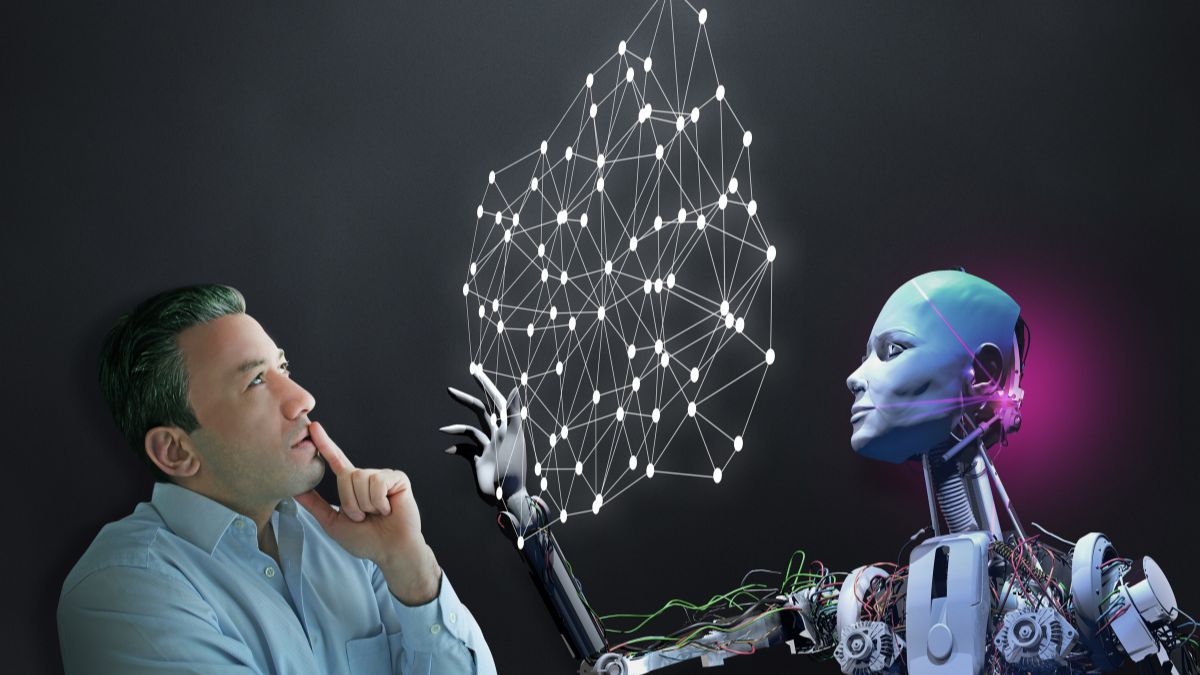
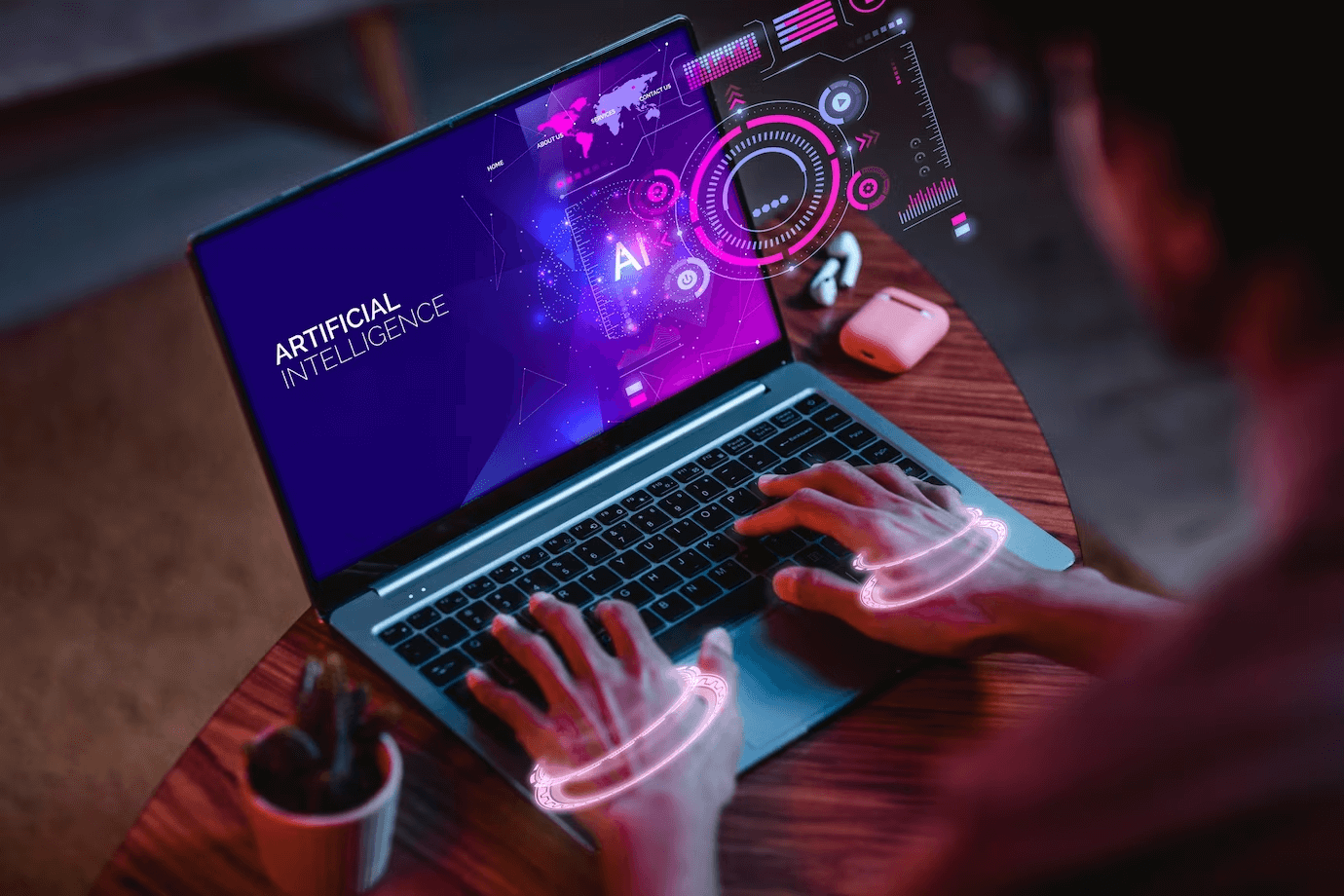
Artificial intelligence (AI) has become the driving force behind the tech revolution. From voice assistants to self-learning algorithms, AI enables machines to mimic human cognitive functions such as decision-making, pattern recognition, and problem-solving.
Key applications include:
-
Healthcare: Diagnosing diseases earlier and customizing treatments
-
Business: Analyzing data to predict market trends and automate routine tasks
-
Cybersecurity: Detecting and preventing threats in real time
-
Transportation: Enhancing route optimization and powering autonomous vehicles
AI is also reshaping the future of work. While some tasks will be automated, new job opportunities in AI development, data analytics, and machine learning are emerging. The challenge is ensuring that the workforce gains the skills needed to collaborate effectively with intelligent systems.
The Internet of Things: A Connected World
The Internet of Things (IoT) refers to physical devices that communicate with each other and the cloud through embedded sensors. Smart homes, wearable health monitors, and industrial automation systems are all powered by IoT.
Benefits of IoT integration include:
-
Improving convenience and quality of life
-
Reducing energy usage with smart grid management
-
Enhancing workplace efficiency through connected machinery
-
Supporting real-time analytics in logistics and supply chains
As cities become smarter—with connected traffic systems, public services, and environmental monitoring—IoT will play a central role in sustainability and urban planning.
Cloud Computing: The Foundation of Digital Business
Cloud computing has transformed how companies operate. Instead of relying on local servers, organizations now store and process data in highly secure, scalable cloud environments.
Major advantages include:
-
Lower operational costs
-
Global accessibility and remote work support
-
Stronger data recovery and business continuity
-
On-demand computing power for innovation and growth
Cloud infrastructure enables rapid development cycles in software, AI implementation at scale, and better collaboration between teams regardless of location.
Hybrid and multi-cloud strategies are becoming the new norm as businesses seek flexibility and resilience in their digital ecosystems.
Cybersecurity: Protecting the Digital Frontier
As digital dependence increases, so do cyber threats. Hackers now target everything from personal identities to critical national infrastructure. Cybersecurity is no longer optional—it is a responsibility.
Growing areas of innovation include:
-
Zero-trust security frameworks that verify every access attempt
-
AI-enhanced defense systems that detect anomalies instantly
-
Biometric authentication using fingerprints or facial recognition
-
Secure encryption to safeguard sensitive transactions
Educating individuals on safe online behaviors is just as crucial as developing advanced security technologies. The future of cybersecurity depends on global collaboration and strong digital ethics.
Blockchain and Web3: A Decentralized Internet
Blockchain technology introduced the concept of decentralization—removing the need for central authorities in transactions and data management. This innovation powers:
-
Cryptocurrencies such as Bitcoin and Ethereum
-
Smart contracts for automated agreements
-
Decentralized finance (DeFi) opening new financial opportunities
-
Non-fungible tokens (NFTs) for digital ownership
Web3, the next evolution of the internet, aims to give users more control over their data, identity, and digital assets. While still developing, decentralized platforms are already influencing gaming, entertainment, and global finance.
Virtual and Augmented Reality: The Rise of Immersive Experiences
Virtual reality (VR) and augmented reality (AR) are transforming how people socialize, work, and learn. VR immerses users in fully digital environments, while AR overlays digital elements onto the real world through devices like smart glasses.
Key use cases include:
-
Gaming and entertainment, allowing interactive storytelling
-
Education and training, providing realistic simulations
-
Healthcare, supporting surgical training and patient therapy
-
Retail, enabling virtual product try-ons
These immersive technologies are set to become more accessible as hardware becomes lighter, faster, and more affordable.
Quantum Computing: Breaking the Limits of Classical Machines
Quantum computing represents the next frontier in computational power. Using quantum bits (qubits), these machines can perform complex calculations that are impossible for traditional computers.
Potential breakthroughs include:
-
Accelerating the discovery of new drugs and materials
-
Solving massive optimization problems in logistics
-
Enhancing climate forecasting and scientific research
-
Strengthening (or challenging) encryption methods
While quantum computers are still in early development, ongoing investment suggests they will become a transformative force within the next decade.
Automation and Robotics: A New Industrial Revolution
Robots are no longer limited to factory assembly lines. Advanced automation is spreading across sectors:
-
Healthcare: Robotic surgery and eldercare support
-
Agriculture: Drones and automated crop monitoring
-
E-commerce: Warehouse robots speeding up fulfillment
-
Hospitality: Service robots delivering personalized experiences
As machines take over repetitive tasks, humans will shift toward creative, strategic, and interpersonal roles. Workforce upskilling will be essential to ensure smooth transition into the automated economy.
Sustainability in Tech: Innovation With Purpose
As technology grows, so does its environmental footprint. The next era of innovation must prioritize sustainability.
Solutions emerging today include:
-
Energy-efficient processors and electronics
-
Green data centers powered by renewable energy
-
Circular economy models to reduce e-waste
-
AI for climate solutions, optimizing resource usage
Technology will play a crucial role in solving global challenges—from climate change to food security—ensuring that progress supports a healthier planet.
Conclusion: The Future Is Already Here
The tech landscape is rapidly evolving, bringing both exciting opportunities and complex challenges. Artificial intelligence, IoT, cloud computing, cybersecurity, blockchain, XR, quantum computing, and automation are redefining every corner of society.
To thrive in this shifting world, individuals and organizations must:
-
Stay informed and adaptable
-
Invest in digital skills
-
Embrace innovation responsibly
-
Prioritize data ethics and security
The digital revolution is not coming—it has already arrived. Those who harness the power of emerging technologies will shape a smarter, more efficient, and more sustainable future for generations to come.